
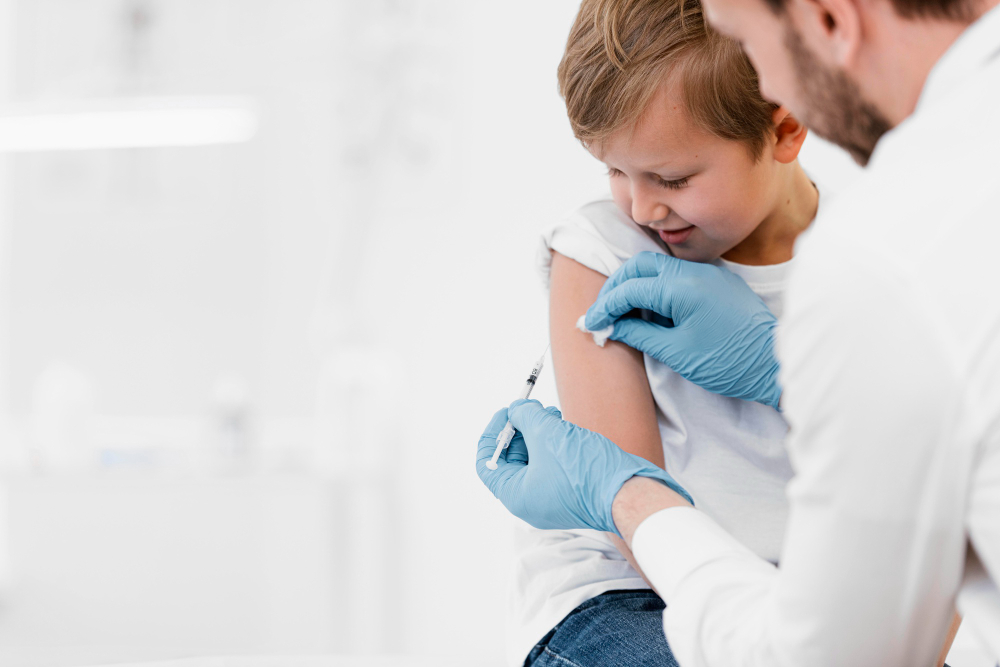
Immunisation importance in children cannot be overstated. Vaccines help protect young lives from serious diseases. In fact, childhood immunisation benefits every family and the whole community. When children get vaccinated on time, they stay healthy and avoid many illnesses. Moreover, parents can feel more confident about their child’s well-being. This blog explains why vaccinating children is vital, how it works, and what parents need to know.
What Is Immunisation?
Immunisation is a simple way to protect people from certain diseases. It uses vaccines to help the body fight infections. After getting a vaccine, the body learns to defend itself against germs. As a result, children become less likely to get sick from those diseases. Immunisation is safe and has saved millions of lives worldwide.
Why Is Immunisation Important for Children?
Children’s immune systems are still growing. Therefore, they are more at risk for infections. Vaccines give their bodies the tools to fight off harmful germs. Because of immunisation, many dangerous diseases are now rare. In addition, immunisation helps stop the spread of illness in schools and communities. Here are some key reasons why vaccinate children:
Common Diseases Prevented by Vaccines
Vaccines shield children from many serious illnesses. Some of the most common diseases prevented by vaccines include:
Because vaccines are given early, children can avoid these dangerous diseases.
How Immunisation Works
Vaccines teach the body’s immune system to recognize and fight germs. First, a small, safe part of the germ is put into the body through a shot. Then, the immune system learns to attack it. If the real germ ever enters the body, the immune system is ready. As a result, the child does not get sick or only has a mild illness. This process is safe and very effective.
Recommended Immunisation Schedule for Children
Doctors follow a set schedule to give vaccines at the right time. In the United States, the Centers for Disease Control and Prevention (CDC) recommends the following pediatric vaccination schedule:
Because schedules may change, always check with your child’s doctor for the latest advice.
Myths and Facts About Childhood Immunisation
Some parents worry about vaccines. However, most concerns are based on myths. Let’s look at some facts:
Because of these facts, experts agree that vaccines are safe and needed.
Tips for Parents: Ensuring Timely Vaccination
Staying on schedule with vaccines is important. Here are some tips for parents:
Because timely vaccination protects your child, do not delay scheduled shots.
Prevention and Community Benefits
When most children are vaccinated, diseases cannot spread easily. This is called herd immunity. As a result, even those who cannot get vaccines, like newborns or sick children, are protected. In addition, fewer outbreaks mean safer schools and communities. Immunisation importance goes beyond your own child. It helps protect everyone.
In summary, childhood immunisation benefits every family and strengthens the entire community. Vaccines are safe, effective, and proven to prevent serious diseases—saving countless lives.
To ensure your child’s vaccinations are complete and up to date, consult the paediatric specialists at Madhavanji Multi Super Speciality Hospital. Their team provides expert guidance and a personalised immunisation schedule for your child’s health.
Strong protection starts with timely vaccinations.