
What is Fatty Liver?
Fatty liver means extra fat builds up in your liver cells. This condition is also called fatty liver disease. It can be nonalcoholic fatty liver or caused by drinking too much alcohol. In the United States, fatty liver is becoming more common. It is important because your liver helps your body work well. When too much fat collects, it can harm your liver health. Over time, this may lead to serious problems. Early care can help prevent damage.
Symptoms of Fatty Liver
Often, fatty liver has no clear symptoms. Many people do not know they have it. However, some may notice signs as the disease gets worse. For example, you might feel tired or have discomfort in your upper right belly. Watch for these symptoms:
If you notice these signs, talk to your doctor. Early detection can help prevent liver damage.
Causes and Risk Factors
Fatty liver can happen for many reasons. Sometimes, it is linked to drinking too much alcohol. But, nonalcoholic fatty liver is more common today. Several risk factors can increase your chance of getting fatty liver disease. For instance, being overweight or having diabetes raises your risk. Here are some common causes and risk factors:
Making healthy choices can lower your risk. But, some people may still develop fatty liver even without these factors.
How is Fatty Liver Diagnosed?
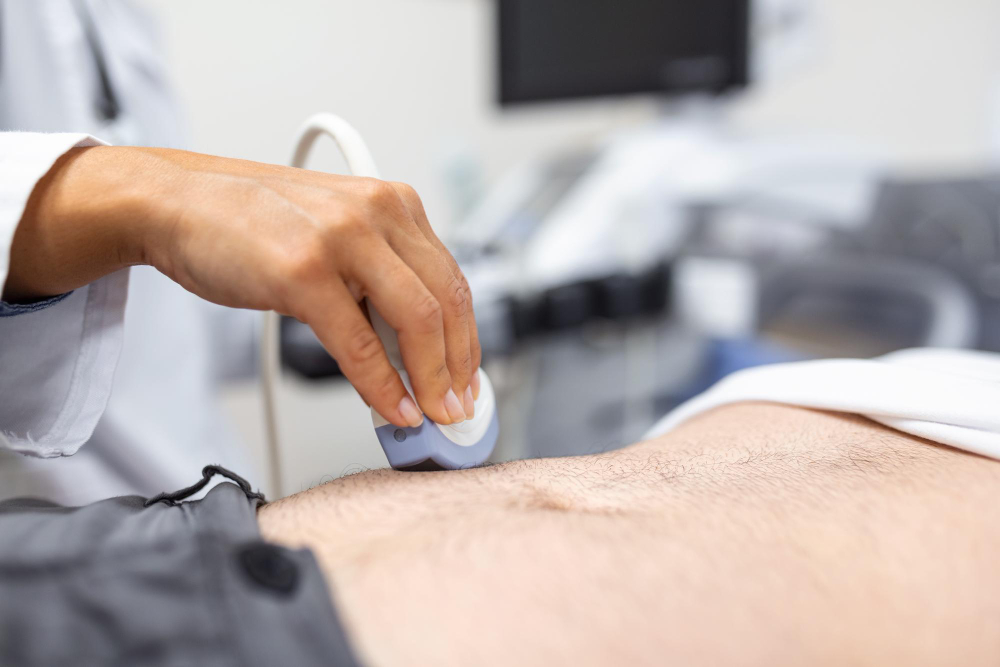
Doctors use several methods to diagnose fatty liver. First, they may ask about your health history and do a physical exam. Next, they might order blood tests to check your liver enzymes. High levels can be a sign of liver problems. In addition, imaging tests like ultrasound, CT scan, or MRI can show fat in the liver. Sometimes, a liver biopsy is needed to confirm the diagnosis. This means a small sample of liver tissue is checked under a microscope. Early diagnosis helps guide the best fatty liver treatment.
Treatment Options for Fatty Liver
There is no single medicine to cure fatty liver. However, many people can improve their liver health with lifestyle changes. Your doctor may suggest:
In some cases, doctors may treat related conditions like diabetes or high cholesterol. Regular check-ups help track your progress. According to the CDC, healthy habits are key for fatty liver treatment.
Lifestyle Tips and Prevention
You can take steps to prevent fatty liver or stop it from getting worse. For example, making small changes in your daily routine can help. Try these tips:
Prevention is always better than cure. Even small changes can make a big difference in liver health.
When to See a Doctor
If you have risk factors or notice symptoms of fatty liver, see your doctor. Early advice can help prevent serious problems. Also, if you feel very tired, have belly pain, or notice yellowing of your skin or eyes, seek medical help right away. Your doctor can guide you on the best steps for your health.
For personalized advice on fatty liver, consult a healthcare professional at Madhavanji Multi Super Speciality Hospital. Early care and healthy habits can protect your liver for life.