
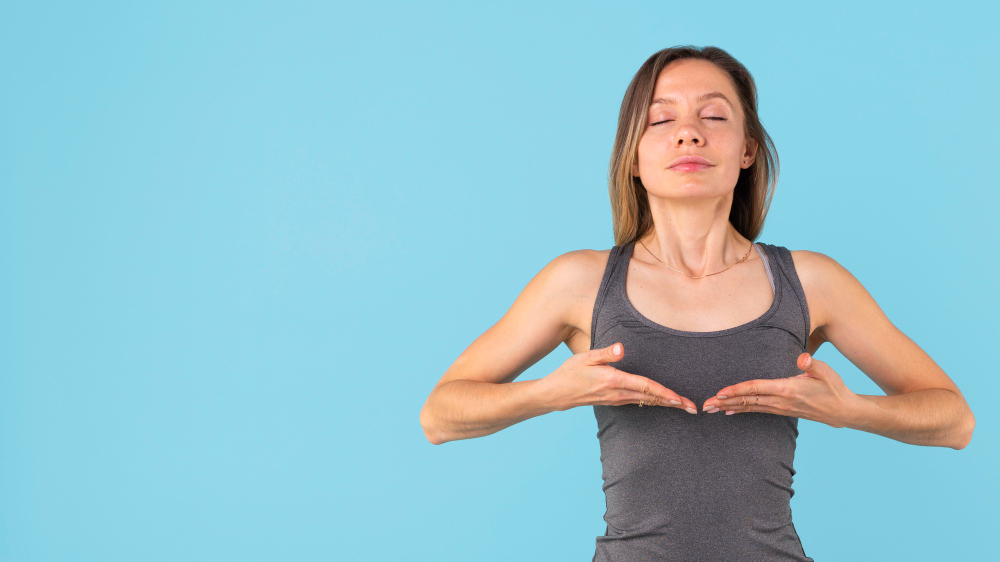
Pneumonia is a lung infection that makes it hard to breathe. It can cause coughing, chest pain, and tiredness. Breathing exercises for pneumonia help improve lung function and speed up recovery. These exercises are simple, safe, and can be done at home. In this blog, you will learn about different breathing techniques for pneumonia recovery, their benefits, and how to practice them safely.
What Is Pneumonia?
Pneumonia is an infection that inflames the air sacs in one or both lungs. Often, these air sacs fill with fluid or pus. As a result, you may have a cough, fever, chills, and trouble breathing. Pneumonia can affect anyone, but it is more serious in young children, older adults, and people with weak immune systems. According to the CDC, pneumonia is a leading cause of hospital visits worldwide.
Why Are Breathing Exercises Important for Pneumonia?
When you have pneumonia, your lungs may not work as well. Because of this, less oxygen reaches your body. Breathing exercises for pneumonia help open up the lungs and clear out mucus. In addition, these exercises can make breathing easier and reduce the risk of further lung problems. Many doctors recommend safe breathing exercises for lung infection as part of home care.
Types of Breathing Exercises for Pneumonia
There are several breathing techniques for pneumonia recovery. Each one helps in a different way. Below are some of the most common and effective exercises.
Diaphragmatic Breathing
This exercise uses your diaphragm, a muscle below your lungs. It helps you take deep breaths and fill your lungs with more air.
Pursed-Lip Breathing
Pursed-lip breathing slows down your breathing. It helps keep your airways open longer and makes it easier to breathe out.
Incentive Spirometry
An incentive spirometer is a simple device. It encourages you to take slow, deep breaths. Hospitals often use it to help patients recover from pneumonia.
Coughing Techniques
Controlled coughing helps clear mucus from your lungs. This can make breathing easier and reduce infection risk.
Step-by-Step Guide to Safe Breathing Exercises
Before starting, find a quiet, comfortable place at home. Always stop if you feel dizzy or short of breath. Here are easy steps for each exercise:
Benefits of Breathing Exercises During Pneumonia Recovery
Breathing exercises offer many benefits for people with pneumonia. For example, they help:
According to the American Lung Association, these exercises can make a big difference in how you feel during recovery.
Safety Tips and Precautions
While breathing exercises are safe for most people, it is important to follow these tips:
Always listen to your body. If you feel unwell, take a break and rest.
When to Seek Medical Advice
Sometimes, pneumonia can get worse even with home care. You should contact your doctor if you:
Early medical help can prevent serious problems. Do not wait if you feel your symptoms are getting worse.
Before beginning any new breathing exercises for pneumonia, it is essential to consult a healthcare professional. The right guidance ensures you follow safe techniques that support lung recovery without causing strain.
For personalised advice and proper monitoring, consult the specialists at Madhavanji Multi Super Speciality Hospital. Their medical team provides expert care and customised recovery plans to help you heal safely and effectively.