
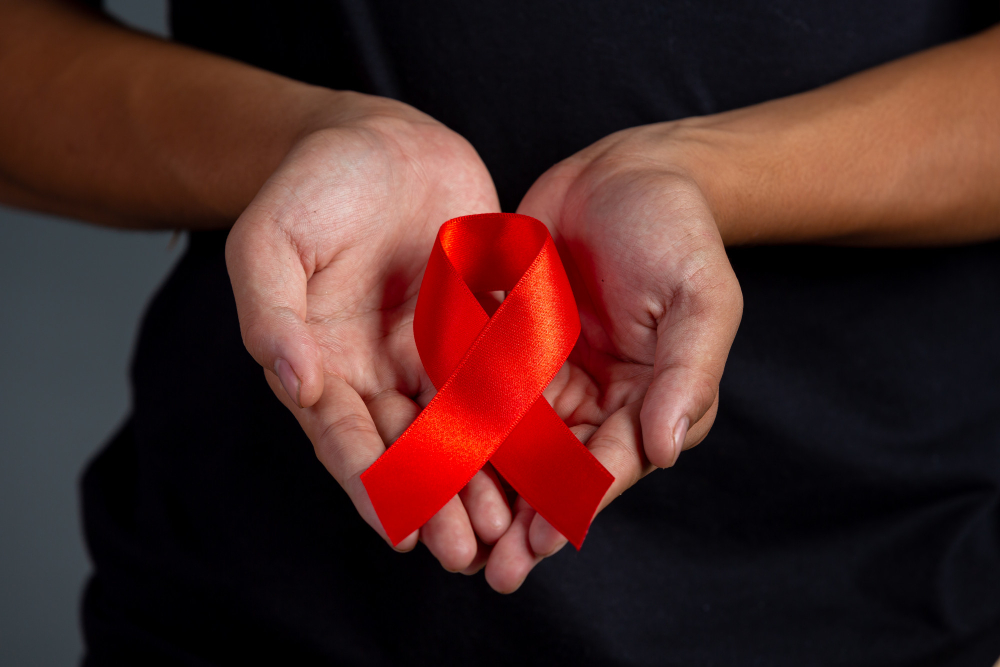
Blood cancer is a serious disease that affects the blood, bone marrow, or lymphatic system. Many people do not notice the early signs of blood cancer. However, spotting these symptoms early can make a big difference. In this blog, we will explain what blood cancer is, why early detection matters, and how to spot blood cancer early. We will also list common blood cancer warning signs and offer tips for prevention.
What Is Blood Cancer?
Blood cancer is a group of diseases where the body makes abnormal blood cells. These cells grow out of control and crowd out healthy cells. As a result, the body cannot fight infections or carry oxygen as well. There are three main types of blood cancer:
Each type can have different symptoms, but many early signs are similar.
Why Early Detection Matters
Early detection of blood cancer can save lives. When doctors find blood cancer early, treatment often works better. In fact, the World Health Organization (WHO) notes that early diagnosis leads to better outcomes. Also, catching blood cancer early may mean less aggressive treatment is needed. For this reason, knowing the early signs of blood cancer is very important.
Common Early Symptoms of Blood Cancer
Blood cancer symptoms in adults can be easy to miss. Still, some warning signs may appear before the disease gets worse. If you notice any of these early signs of blood cancer, talk to your doctor:
Sometimes, these symptoms can be caused by other health problems. However, it is always best to check with a healthcare provider if you notice them.
When to See a Doctor
If you have any of the early symptoms of blood cancer, do not ignore them. For example, if you feel tired all the time or notice unusual bruising, see a doctor soon. Even if the symptoms seem mild, early testing can help find problems before they get worse. In the US and worldwide, doctors use simple blood tests to check for blood cancer. Therefore, it is better to be safe and get checked early.
How Blood Cancer Is Diagnosed
Doctors use several tests to diagnose blood cancer. First, they may ask about your symptoms and medical history. Next, they will do a physical exam. After that, they may order blood tests to look for abnormal cells. Sometimes, doctors will do a bone marrow biopsy. This test checks for cancer cells in the bone marrow. Imaging tests, like X-rays or CT scans, can also help find swollen lymph nodes or other problems. According to the Centers for Disease Control and Prevention (CDC), early diagnosis is key for better treatment results.
Prevention and Lifestyle Tips
While you cannot always prevent blood cancer, some healthy habits may lower your risk. Here are a few tips:
Additionally, staying informed about blood cancer warning signs can help you act quickly if symptoms appear.
Conclusion
In summary, knowing the early signs of blood cancer can help you get treatment sooner. If you notice any early symptoms of blood cancer, consult Madhavanji Multi Super Speciality Hospital for expert evaluation and personalized medical guidance. Early diagnosis and timely care can significantly improve treatment outcomes.