
Introduction
Falls are a leading cause of injury in older adults. Because of this, balance training to prevent falls in seniors is very important. Many seniors and caregivers worry about fall risks. However, with the right exercises and habits, you can improve balance and reduce fall risk in older adults. This guide will help you understand balance training and how it can keep seniors safe and active.
What Is Balance Training?
Balance training is a set of exercises that help you stay steady on your feet. For example, these exercises teach your body to react quickly and keep you from falling. Most balance training programs use simple moves that can be done at home. In addition, balance training often includes stretching and strength exercises. As a result, you can walk with more confidence and avoid falls.
Why Are Seniors at Risk of Falls?
As people age, their bodies change. For instance, muscles may get weaker, and joints can become stiff. Also, vision and hearing may not be as sharp as before. Because of these changes, seniors may lose balance more easily. Some medicines can also cause dizziness. In many cases, health problems like diabetes or arthritis add to the risk. According to the CDC, one in four adults over 65 falls each year.
Benefits of Balance Training for Seniors
Balance training offers many benefits for seniors. First, it helps improve balance and strength. This means you are less likely to fall. In addition, these exercises can boost your confidence when walking or moving around. Over time, you may notice better posture and more energy. Most importantly, balance training can help you stay independent longer. Studies from the World Health Organization show that regular balance exercises lower the risk of falls in older adults.
Effective Balance Exercises for Seniors
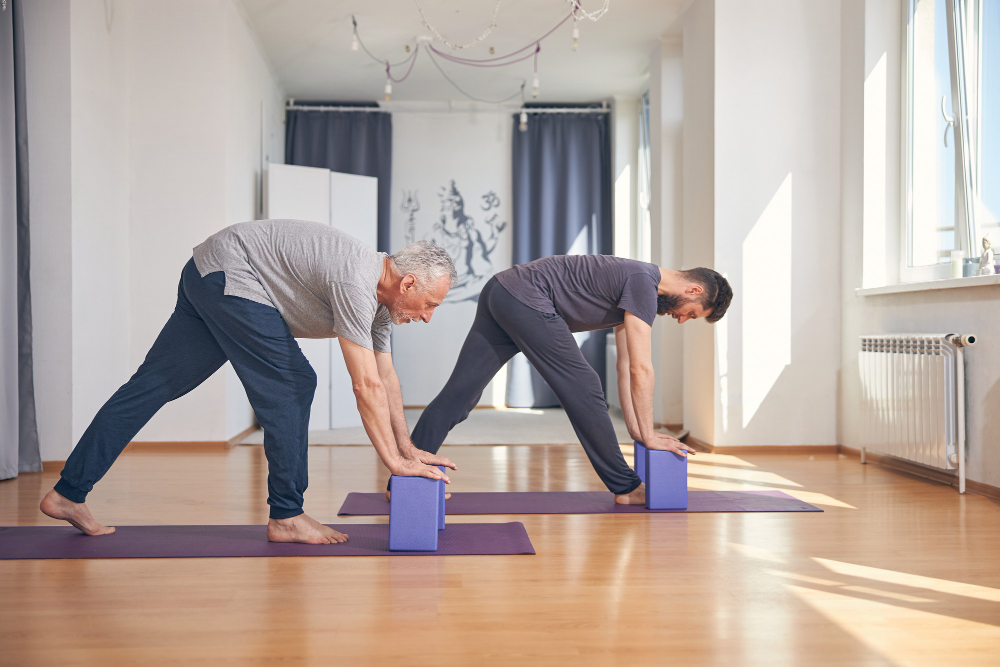
There are many simple fall prevention exercises for elderly people. You can do most of these at home. Always use a sturdy chair or countertop for support if needed.
How to Start a Balance Training Program Safely
Before starting any new exercise, talk to your doctor or physical therapist. They can help you choose safe exercises. Start slowly and increase the time as you get stronger. For example, begin with just a few minutes each day. Make sure you wear comfortable shoes and have a clear space. If you feel dizzy or unsteady, stop and rest. Over time, you can add more exercises to your routine.
Tips for Preventing Falls at Home
Besides balance training, you can make your home safer. Here are some helpful tips:
When to Consult a Healthcare Professional
If you have fallen before or feel unsteady, talk to your doctor. Sometimes, health problems or medicines can affect your balance. A healthcare professional can check for these issues. They may suggest a physical therapist who can design a balance training program just for you. Early help can prevent future falls and keep you safe.
In summary, balance training to prevent falls in seniors is a key step for safety and independence. For the best results, consult at Madhavanji Multi Super Speciality Hospital for personalized balance training advice.