
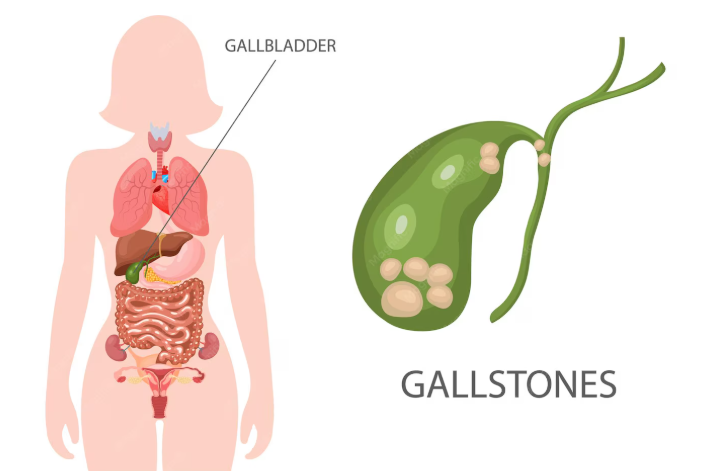
What Are Gallstones?
Gallstones are small, hard pieces that form in the gallbladder. The gallbladder is a small organ under your liver. It stores bile, which helps your body digest fat. Sometimes, substances in bile can harden and turn into stones. These are called gallstones. Many people have gallstones and do not know it. However, some people may feel pain or have other problems.
Causes of Gallstones
Gallstones can form for several reasons. Often, they develop when there is too much cholesterol in the bile. Sometimes, the gallbladder does not empty as it should. Because of this, stones can form. Here are some common causes:
According to the CDC, women and people over 40 have a higher risk of gallstones.
Common Symptoms
Many people with gallstones do not have symptoms. But, if a stone blocks a duct, you may feel pain. This pain is called a “gallbladder attack.” It often starts suddenly and can last for hours. Common gallstone symptoms include:
If you notice these symptoms, especially with fever or yellow skin, seek medical help right away.
How Gallstones Are Diagnosed
Doctors use several tests to find gallstones. First, they will ask about your symptoms and health history. Next, they may do a physical exam. Often, doctors use imaging tests to see the gallbladder. These tests include:
With these tests, doctors can confirm if you have gallstones and decide on the best treatment.
Treatment Options for Gallstones
Treatment depends on your symptoms and the size of the stones. If you have no symptoms, you may not need treatment. However, if you have pain or other problems, doctors may suggest:
Most people recover well after surgery. The body can still digest food without the gallbladder, but you may need to eat smaller, low-fat meals for a while.
Prevention Tips
While you cannot always prevent gallstones, some steps may lower your risk. For example, you can:
Because sudden weight loss can increase your risk, try to lose weight gradually.
When to See a Doctor
If you have sudden or severe belly pain, see a doctor right away. Also, seek help if you notice yellow skin, fever, or vomiting. These may be signs of a serious problem. Early treatment can prevent complications. For ongoing mild symptoms, talk to your healthcare provider about the best steps for you.
If you have symptoms or concerns about gallstones, consult at Madhavanji Multi Super Speciality Hospital for personalized advice.